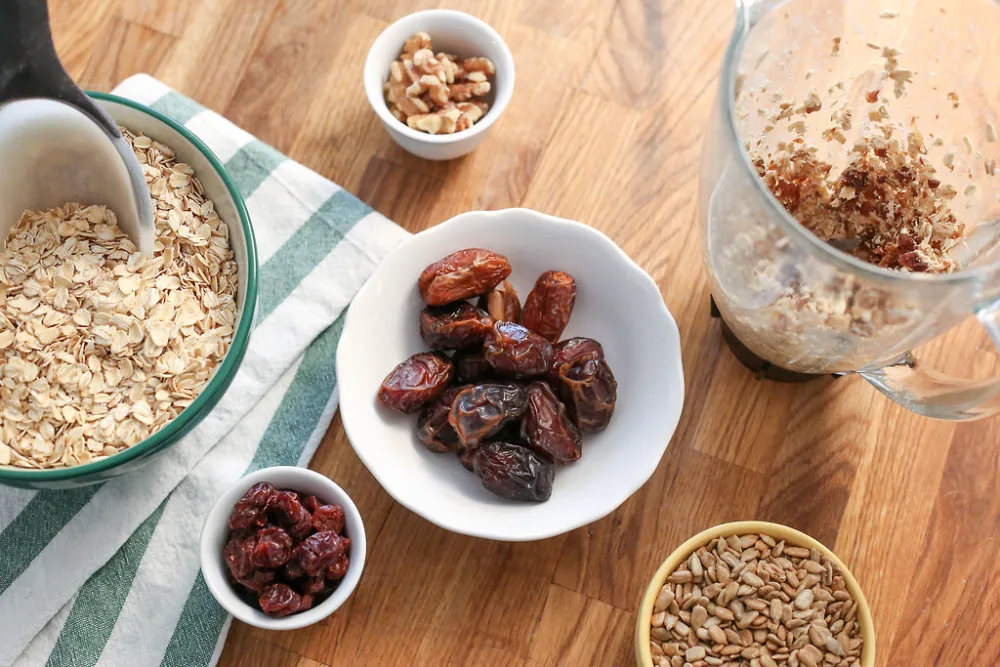
The date market ahead of Ramadan is busy with tempting offers, but not all are honest. Low-quality repacked dates, sugar-syrup-coated products without labels, and exaggerated origin claims circulate alongside genuinely quality products. The good news: you need not be an expert to protect yourself. This article presents a 5-minute verification toolkit to ensure the imported dates you buy come from official channels and are fit to consume — combining physical inspection, label and permit checks, and supplier due diligence. This approach is educational for consumers and resellers, not medical advice.
Why Verification Matters Now
Date demand spikes sharply ahead of Ramadan — in January and February, imports can exceed tens of thousands of tons per month. This demand surge attracts bad actors who exploit a crowded market. In early 2026, the circulation of dates containing glucose syrup without adequate labelling even drew attention and prompted regulator scrutiny. Such products look glossier and feel sticky, with a sweeter-than-expected taste. Simple verification helps you filter out problematic products before buying, especially in large quantities.
The 5-Minute Toolkit: Three Layers of Checks
Split verification into three complementary layers. Not all need doing every time, but the larger the purchase, the more important it is to run all three.
| Layer | What to Check | Time | Red Flag |
|---|---|---|---|
| 1. Physical | Colour, texture, stickiness, aroma | ±1 min | Too glossy, overly sticky, fermentation smell |
| 2. Label & Permit | Origin, permit, composition, expiry | ±2 min | No label, added sugar in composition, number mismatch |
| 3. Supplier | Identity, warehouse, documents, price consistency | ±2 min | Unclear origin, price far below market, reluctant to show info |
Layer 1: Physical Inspection
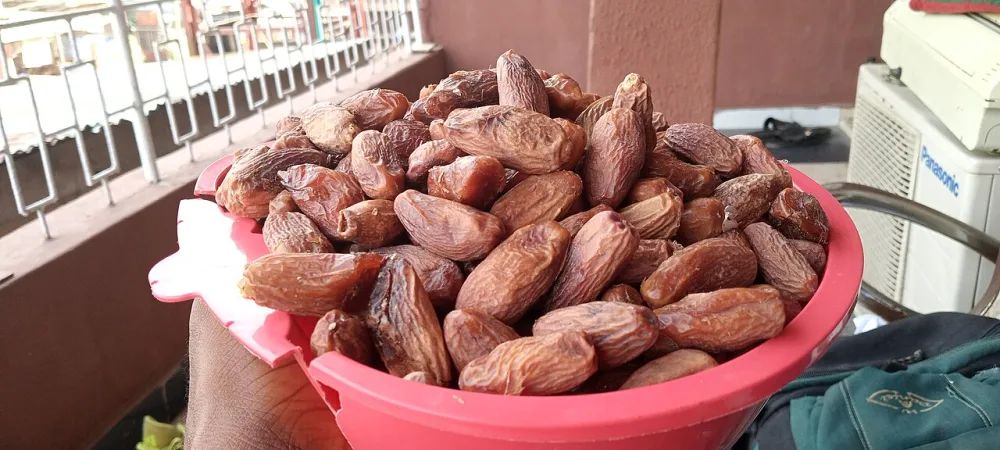
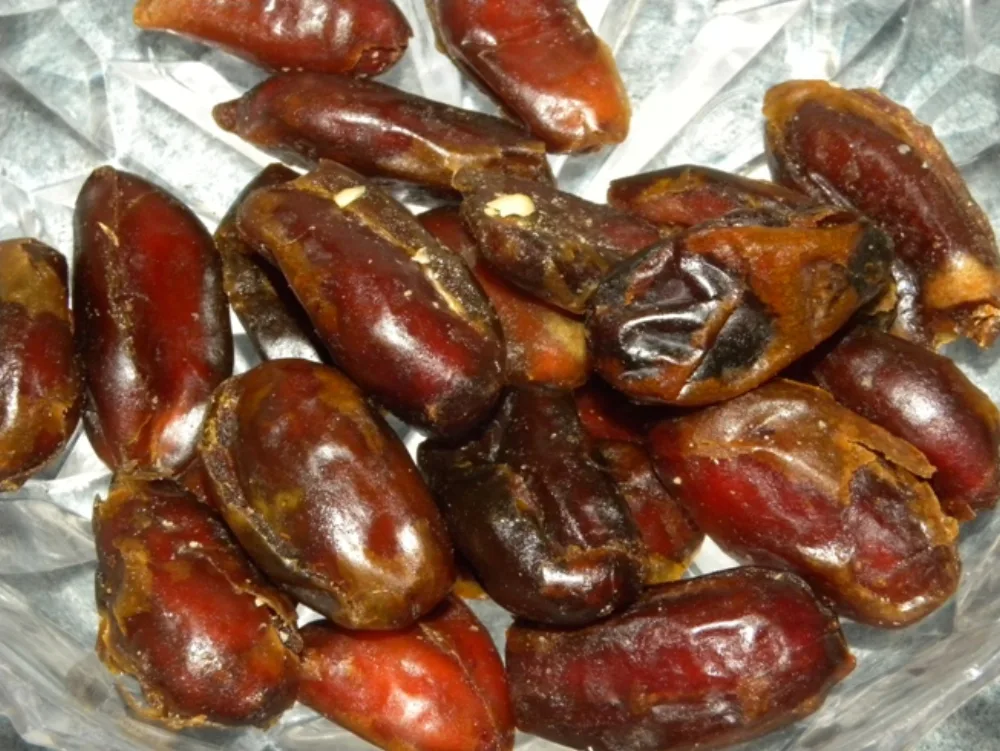
Good natural dates generally have a relatively even colour appropriate to the variety, a fitting texture (dry or wet depending on type), and a clean characteristic date aroma. A few things worth suspecting: a surface that is too glossy and wet accompanied by a very sweet, sticky taste can signal an added sugar-syrup coating; a sour or fermentation smell signals poor storage; very uneven colour on dried dates can signal incomplete ripening. Physical inspection is not a final verdict, but a fast first filter.
Layer 2: Label & Permit Check
Inspect the packaging: is there a product name, country of origin, importer identity, net weight, expiry date, and permit number? For imported processed foods, the ML-coded BPOM permit number marks the official channel. You can verify it on the cekbpom.pom.go.id website or the BPOM Mobile app by matching the product name and registrant. Also note the composition — pure dates ideally list only "dates" with no added sweeteners or preservatives. Anonymous bulk dates with no label at all warrant caution because their origin cannot be traced.
Layer 3: Supplier Due Diligence
This layer matters most for large-batch purchases. A few questions help assess a supplier's legitimacy:
- Do they have a physical warehouse with visible stock, not just photos?
- Can they explain the grove or country of origin and the import route of their goods?
- Can they show consistent business identity and product information?
- Is the offered price reasonable for the variety and grade, or suspiciously cheap?
- Is stock consistently available, including outside the Ramadan season?
A credible direct importer is usually comfortable answering these questions. Conversely, reluctance to provide clarity is a signal to be more careful.
Common Mistakes That Get Buyers Tricked
Many disappointing purchases could actually be prevented by avoiding a few mistaken mindsets. First, focusing too much on the lowest price. A price strikingly below the market almost always has a reason — whether lower quality, long-stored dates, or repacked products with no clarity of origin. Second, fully trusting product photos without confirming real stock; photos can be taken from elsewhere and may not represent the goods shipped. Third, ignoring the label because of haste; yet reading a label takes only two minutes and filters out many problems at once.
Another mistaken pattern is treating every seller who calls themselves an "importer" or "official distributor" the same. As discussed, positions in the supply chain vary widely, and verbal claims do not always reflect reality. The healthy attitude is not excessive suspicion but verifying enough in proportion to the purchase size. To buy 1 kilogram for personal consumption, a physical and label check is adequate. To buy hundreds of kilograms for a shop or institution, supplier due diligence is a step worth its value.
Keeping Evidence and Building Supplier Relationships
For resellers, verification does not stop at one transaction. Keeping product information, purchase records, and origin notes helps when customers ask or when a lot needs tracing. Further, building a long-term relationship with a proven, orderly supplier is far more efficient than constantly switching to chase the lowest price each time. A consistent supplier providing clarity, reliable stock, and stable quality ultimately saves time, reduces risk, and protects your customers' trust.
Buying From a Legitimate Importer: Reducing Risk From the Start
The most efficient way to reduce risk is choosing the right source from the outset, so most verification is already met structurally. A direct importer with a real warehouse, a broad variety portfolio, and clearly labelled products offers a safer starting point than buying from an anonymous source for a small price gap. As a direct date importer serving Greater Jakarta from a warehouse at Green Sedayu Biz Park, Cakung, East Jakarta, we provide variety and grade guides so buyers can judge quality with confidence. To consult on your needs and availability, contact our team via WhatsApp.
Note: this guide is educational to help buyers make better decisions, not medical advice or a legal assessment of any specific product. For certainty about a product's official status, use the available official verification channels.